
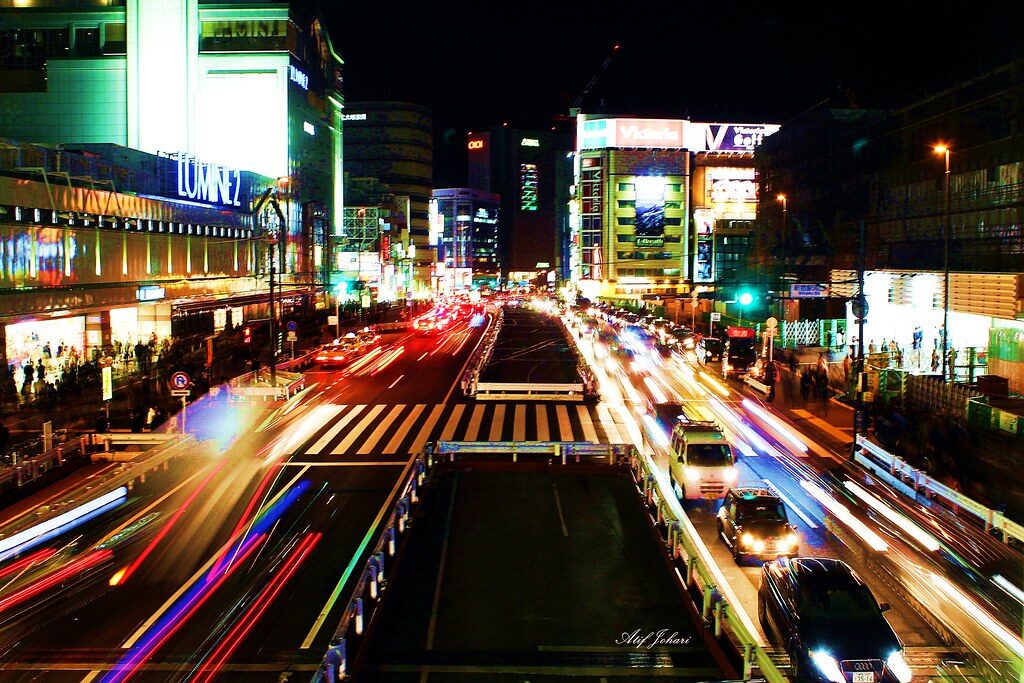
I haven’t been to Japan yet.
That feels like a strange way to open a guide, but it’s the honest starting point — and it’s exactly why I’m writing this. In September I’m flying to Japan to scout a trip I’ll be taking a small group of women on next year. Which means I’ve spent the last few months doing the thing every woman does before a big trip: opening seventeen tabs, reading contradictory advice, and slowly realising that almost nothing out there is written for us.
Most guides written for Japan aren’t written for Indian women travellers at all — they’re for American backpackers or couples on honeymoon. Very little of it accounts for an Indian passport, Indian dietary habits, or the particular calculation a woman makes when she’s deciding whether to go somewhere alone.
So here’s what I’ve actually found so far. Some of it surprised me.
The visa: here’s exactly what happens
Let’s start with the thing everyone gets wrong.
There is no visa-on-arrival for Indian passport holders. That rumour circulates constantly and it isn’t true. You need a visa before you fly, full stop.
I applied for mine myself, no agent, through VFS Global in Delhi.
What you’ll actually need
Most guides are vague about this, so here’s the real list:
- Cover letter, stating your purpose and whether you’re self-sponsoring or being sponsored
- Round-trip flight booking
- Accommodation confirmations for the full stay
- A day-by-day itinerary for every day you’re in Japan — more on this below
- Last 6 months’ bank statements
- ITR
- If employed: an appointment letter from your company
- If not working: proof of funds, and clarity in the cover letter on who’s sponsoring you
- Passport photos, 45mm × 45mm — not the standard Indian size, so get these made specially
- Copies of your current passport, plus your old passport if you have one
The one that catches people out is the itinerary. Japan wants a day-by-day “schedule of stay” — where you’ll be, each day, for the whole trip. I didn’t know this going in. It isn’t difficult, but it’s a genuine piece of work, and you can’t improvise it at the counter. Sit down and do it properly before your appointment.
One small thing that trips people up: your address on the application has to match your current address. Mismatches cause problems.

The timeline and the cost
The fee is remarkably low. The Embassy of Japan in India lists ₹500 for a single- or multiple-entry visa as of 1 July 2026, plus VFS’s service charge. Other nationalities pay several thousand rupees for the same thing.
Turnaround was one week from submission — but I applied about a month and a half ahead, and I’d suggest the same. Not because the visa takes long, but because the itinerary and the document-gathering do. Give yourself the runway.
You don’t need to go back and collect it, either. For about ₹500 extra, VFS couriers it to your home. Worth every rupee.
One last clarification, since the internet is genuinely confusing on this: despite various sites talking about a Japan “e-visa” for Indians, what I received was a sticker visa in my passport. Physical submission at VFS, physical sticker back.
Is Japan safe for Indian women travellers?
This is the question I get asked most, and the answer is: yes, remarkably so — with one caveat that nobody mentions.
Japan is consistently among the safest countries in the world for women travelling alone. You can walk back to your hotel at midnight in most cities. Lost wallets get handed in. The infrastructure assumes you’ll be fine, and mostly you are.
The caveat is crowded trains. Groping on packed commuter trains is a real and documented problem in Japan — enough that many rail lines run women-only carriages during rush hour, marked with pink signage on the platform. That’s not a reason not to go. It’s a reason to know the carriages exist and to use them if you’re travelling at peak times.
The other thing worth saying: safe is not the same as easy. Japan is safe and simultaneously quite hard to navigate alone if you don’t read Japanese. Menus without pictures, ticket machines, small restaurants where nobody speaks English. It’s the kind of place where nothing bad happens to you, but you can still end up eating convenience-store onigiri for the fourth night running because ordering felt like too much. That gap — between safe and easy — is a large part of why I think Japan works so well as a group trip rather than a first solo destination.
Vegetarian food is harder than you think
If you’re vegetarian, this is the section to read twice.
Japan is not a vegetarian-friendly country in the way Indians mean it. The core problem isn’t obvious meat — it’s dashi, the fish-based stock that forms the base of an enormous amount of Japanese cooking. Miso soup, most noodle broths, many simmered vegetable dishes, plenty of sauces. A dish can be entirely plant-based on the plate and still be built on fish.
The same goes for bonito flakes, which get scattered on top of things that otherwise look safe.
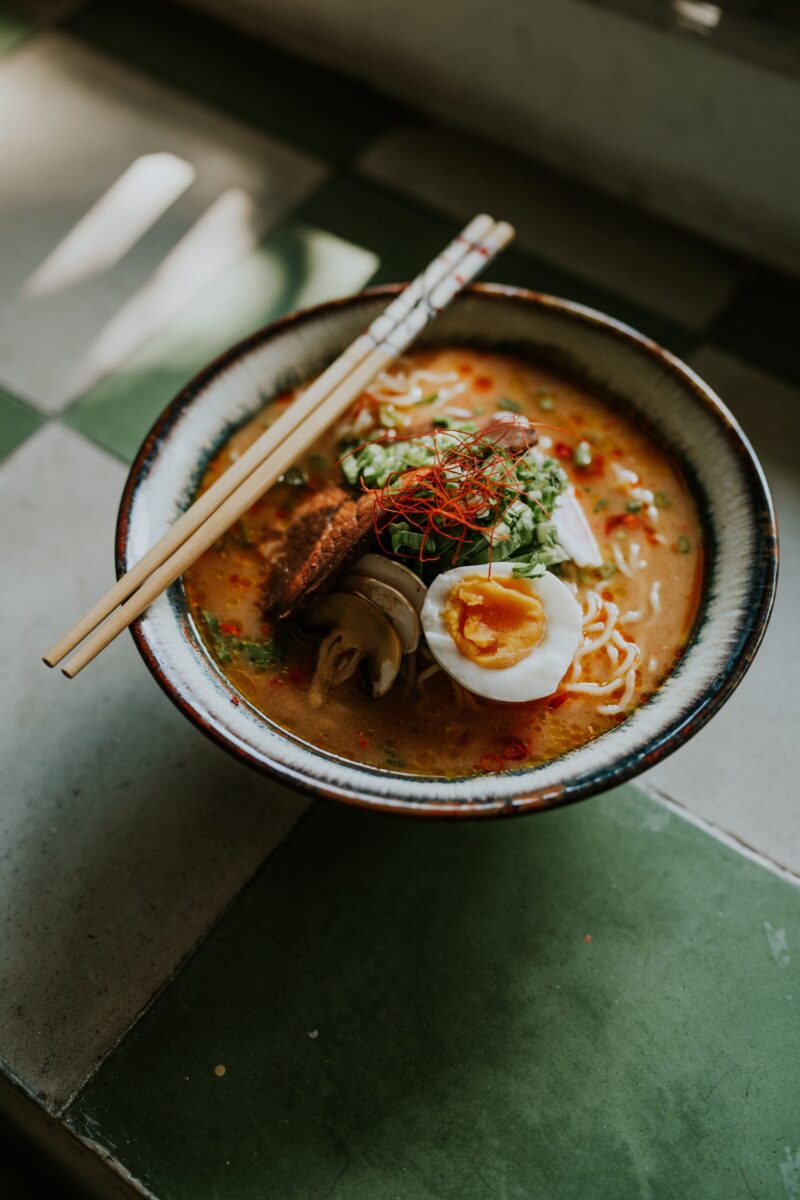
What does work: shojin ryori, the Buddhist temple cuisine that is genuinely vegetarian by design and often extraordinary. Indian restaurants, which exist in every major city and are a reliable fallback. Some ramen shops now do proper vegetarian broths. Convenience stores are better than they sound.
But you have to plan for it, and you have to be able to explain it — which is harder than it sounds when “no meat” doesn’t cover the problem. Learning to say and recognise a few specific phrases about dashi matters more than general Japanese.
This is one of the specific things I’ll be testing in September: which places can actually handle Indian vegetarian requirements, and which just say yes and then serve you something with dashi in it.
For Indian women travellers who are vegetarian, this needs real planning.
What it actually costs
Japan has a reputation for being eye-wateringly expensive. It’s expensive, but not in the way people assume, and one large cost has shifted recently.
The Japan Rail Pass used to be the automatic first purchase for any visitor. It isn’t any more. In October 2023 the price jumped by around 70% — the seven-day ordinary pass went from ¥29,650 to ¥50,000, where it sits through 2026. And it’s rising again: from 1 October 2026, overseas purchases move to ¥53,000, with the 14-day and 21-day passes climbing in proportion.
Why does that matter? At ¥50,000 the pass no longer pays for itself on a standard trip. A Tokyo–Kyoto shinkansen leg runs about ¥13,320. A typical Tokyo–Kyoto–Osaka loop, which is what most first-timers do, works out cheaper on individual tickets or a regional pass. You now need to be covering serious distance — Hiroshima, Kyushu, Hokkaido — before the national pass makes sense.
The practical upshot for anyone planning a 2027 trip: run the actual numbers for your route rather than buying the pass reflexively. Regional passes have quietly become the smarter purchase for most itineraries.
Food, by contrast, is cheaper than expected. A very good bowl of ramen costs less than a mediocre pasta in Delhi. It’s accommodation and long-distance transport that eat the budget.
What I still don’t know
Plenty. And I’d rather say so than pretend otherwise.
I don’t yet know how a group of Indian women is actually received in smaller towns, away from the tourist-heavy areas. There’s no way to know which ryokans are genuinely comfortable for guests who’ve never navigated onsen etiquette — or whether the communal bathing culture is something to build around or gently avoid. How walkable is a realistic day for a mixed-age group? And which of the highly-rated restaurants can genuinely handle vegetarian requests, versus which will politely say yes and improvise badly?
Those are the questions I’m flying out to answer in September, and they’re the ones that don’t get answered in guidebooks — because guidebooks aren’t planning a trip for a specific group of women.
Where this is going
I’m taking a small group of women to Japan next year. Not a coach tour — a small group, planned properly, by someone who’s walked the route first and eaten the food and checked whether the rooms are actually big enough.
The September scouting trip is where all of the above gets tested against reality. I’ll be posting the whole thing as it happens: what I got right, what I got embarrassingly wrong, and what changes as a result.
If you’ve been quietly wanting to go to Japan but haven’t wanted to figure it all out alone — follow along on Instagram. That’s where the day-to-day of this lives.
Everything I learn goes into making this trip work for Indian women travellers.
Last updated: August 2026. Visa rules and rail pass pricing change frequently — always verify current details with the Embassy of Japan in India and official JR sources before booking.